Functional leadership from the women's football area, bridging operational need and technology development
Leading a data-driven transformation across football operations
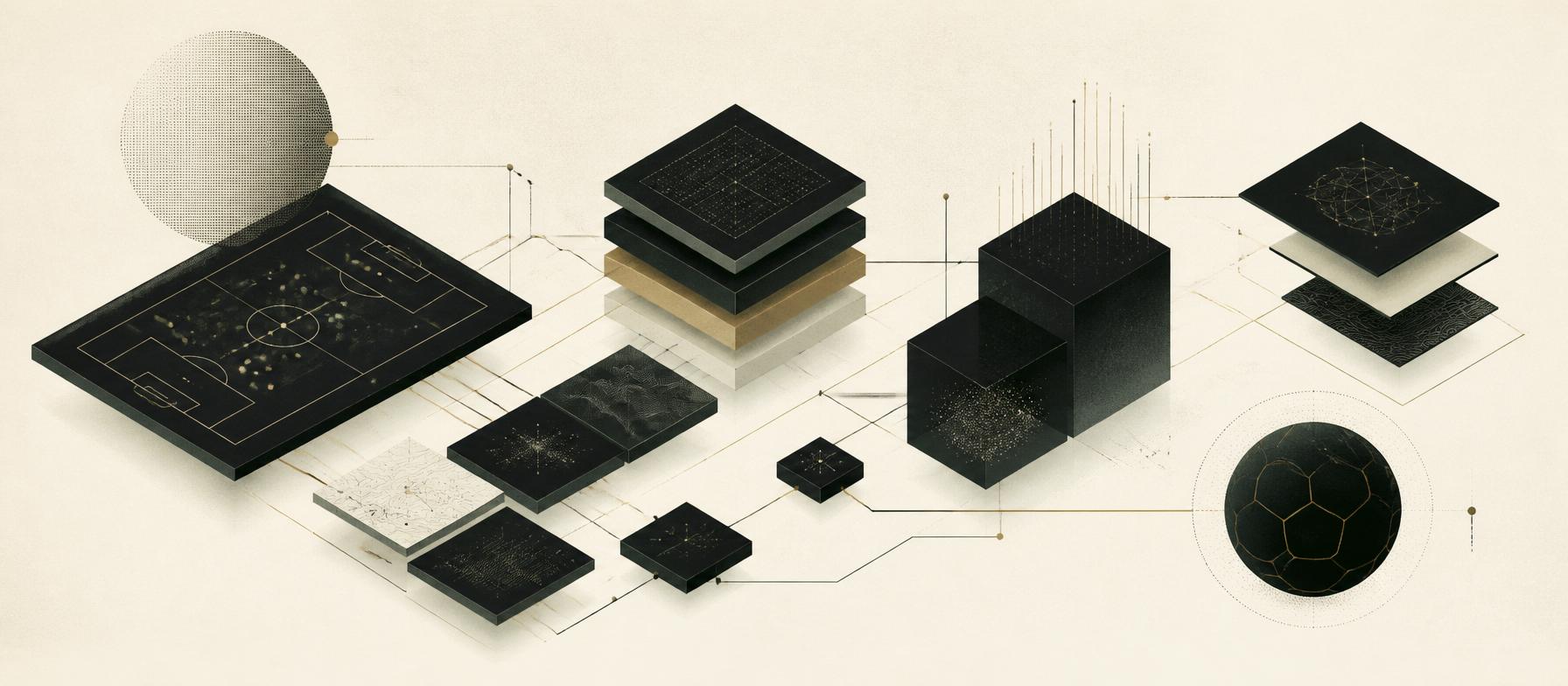
Led the functional definition and coordinated the implementation of a modular intelligence ecosystem from the women's football area, connecting external platforms, internal sources, proprietary indices and alerts into a single way of working for scouting, sporting direction, performance, health and operations — later adopted by the men's first team after proving its value.
Highlighted result
→7 seasons in use · piloted in women's football · adopted by the men's first team
My role
The project began inside the women's football area. Around seven years ago — when the intensive use of data was still incipient in professional clubs and virtually non-existent in developmental women's football — the operation needed an integrated environment for daily football decisions that no off-the-shelf product provided.
Context
Performance, health, training, opposition analysis, scouting, recruitment and management information lived in different formats, flows and providers. There was no shared decision layer and no professional way to coordinate the people around it.
What I identified
The problem was not a lack of data. It was the absence of an operational environment connecting external platforms, internal sources, proprietary indices and the users who had to decide — plus a single way of working that made the data useful.
What I did
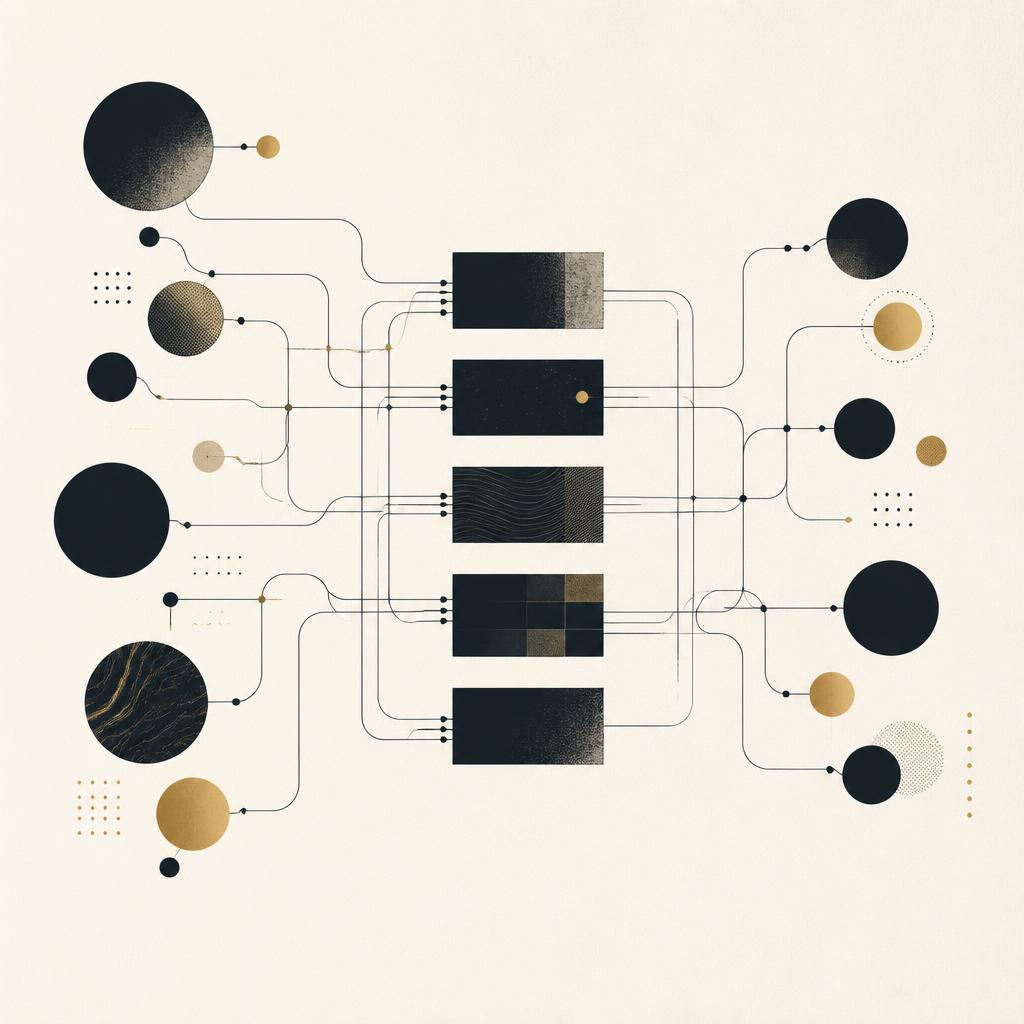
I led the project from the women's football area, acting as the bridge between operational users and the technical development team. I defined the functional requirements, mapped the processes and use cases with each profile, and coordinated the implementation and adoption so the system responded to real organisational needs. The aim was not to build software, but to create one data-driven way of working across scouting, sporting direction, performance, health and operations.
What I defined and implemented
- 01Functional model of the ecosystem and its modules
- 02Mapping of processes, users and decision points
- 03Integration of external platforms into one operational environment
- 04Integration of internal club sources and proprietary indices
- 05Proprietary alert system for relevant thresholds
- 06Scouting system covering amateur and semi-professional talent, beyond the reach of elite-focused commercial platforms
- 07Approximately 2,500 player records
- 08Performance, physiological load and health tracking workflows
- 09Training operations and opponent analysis routines
- 10Negotiation tracking and management information flows
- 11Training and adoption support for technical, medical and operational users
- 12Coordination between football areas and the technical development team

Outcome
- Piloted within the women's football project and kept in live use for seven seasons
- Created one data-driven way of working across sporting direction, scouting, performance, health and operations
- Scaled from an amateur women's environment to a semi-professional women's team and, finally, to a LaLiga men's first team
- External platforms and internal sources connected into a single operational environment
- Proprietary indices and alerts supporting daily and strategic decisions
- Technical, medical and operational information integrated around real decisions
- Adopted by the men's first team after the pilot proved its value in the women's project
What this demonstrates
That an organisational transformation supported by data, led from the football area and centred on the people who have to decide, can change how a club coordinates and decides — before any technology is built.
Connect about this work
ConnectOther case studies
- Turning around an institution at risk of closure4 editions directed · Oscar-qualifying · 30%+ audience growth · thousands of media appearancesView
- Creating a new category from zero, without budget or backing6 editions (2005–2010) · first worldwide reference · replicated internationallyView
- Building a cross-sector venture around an emerging categoryA multi-format concept developed before women's football entered the mainstreamView